All about roses
This is how you choose a rose
In this article we explain how to make the perfect choice for a rose.
What is a suitable place for a rose?
Roses love sun and open spaces. They bloom less in shaded places and in confined spaces, where air circulation is limited, they are more susceptible to fungal diseases. Most roses need at least 4-5 hours of sun per day. Therefore, preferably choose a sunny, well-ventilated spot.
What is the best soil type?
Roses are hardy plants that thrive in all soils, but they prefer good, fertile and well-drained soil. When planting, always use enriched rose or garden soil in the hole in which you plant the rose. Loam soil and light clay is the best soil for roses. Sandy soil can also be improved, but must be improved by adding a lot of organic fertilizer, soil improver or garden soil. Heavy clay can be made looser by also adding well-decomposed or dried farmyard manure. If you live in an area with acidic soil, it is advisable to sprinkle a little lime on the roses in the autumn. If you have any doubts about the soil type, you can have a soil analysis carried out. You will then receive fertilizer advice. In all cases it is beneficial to mulch in the autumn. Mulching is covering the roses with fallen leaves or compost. It protects against frost damage, prevents erosion and stimulates a rich soil life, which benefits the health of the rose.
Types of roses
When choosing a rose, you first choose the shape. There are standard roses that grow on a stem of about one meter high, climbing roses that grow up to 10 meters high and shrub roses that, as the name suggests, grow in the shape of a bush. Depending on the place where you want to plant a rose, you choose the shape. In addition to the shape of the plant, the properties of the rose are important. We list the most important ones.
Large or small flowered.
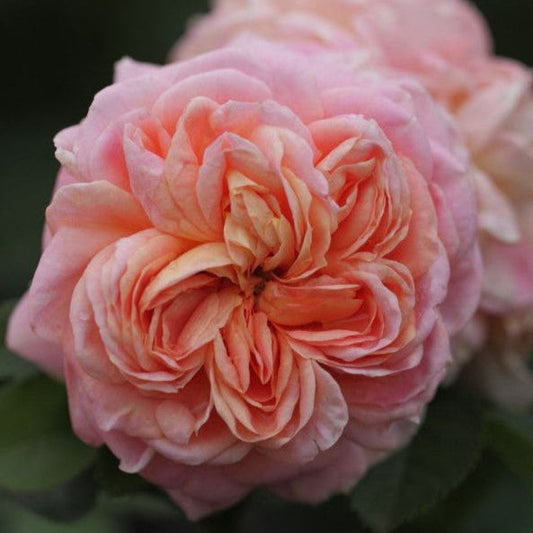
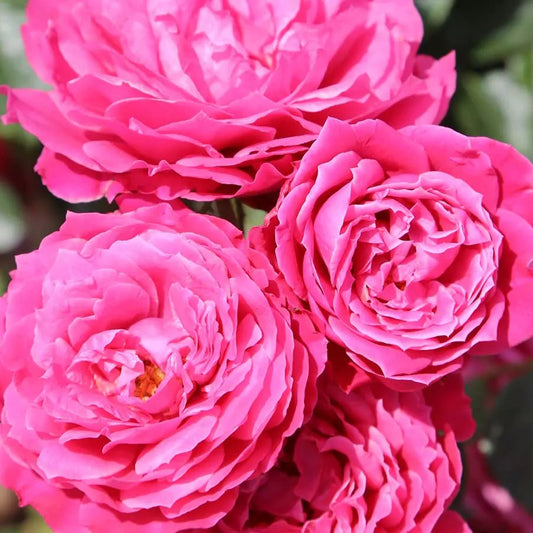
Lovers of large-flowered roses often like large, full roses, while followers of small-flowered roses see the beauty in the simplicity of often open flowers.
Continuous flowering, repeat flowering or one-time flowering.
Continuous flowering roses often bloom from May until late autumn. You have to prune them after each flowering to get new flowers. Single flowering roses such as most rambler roses produce abundant growth in the spring that can last several weeks. Although they only bloom once a year, the flowering is more intense. Finally, there are also roses that produce a second or third flowering after the first flowering, depending on the circumstances.
Fragrant
The scent is also called the soul of the rose. It is the petals that determine the scent. We divide roses into strongly scented, lightly scented and not or hardly scented. The scent of a rose can be complex and also a bit elusive, so the intensity of the scent can differ depending on the circumstances and even the time of day.
Properties
All these properties can be found in the numerous varieties of roses that have been developed over the centuries. The developer of a rose is called a breeder, the grower is the producer of the rose. Well-known breeders, who usually also grow roses, are the English David Austin, French Meilland and German Kordes. There are many types of roses, we mention a number of well-known types here.
English roses.
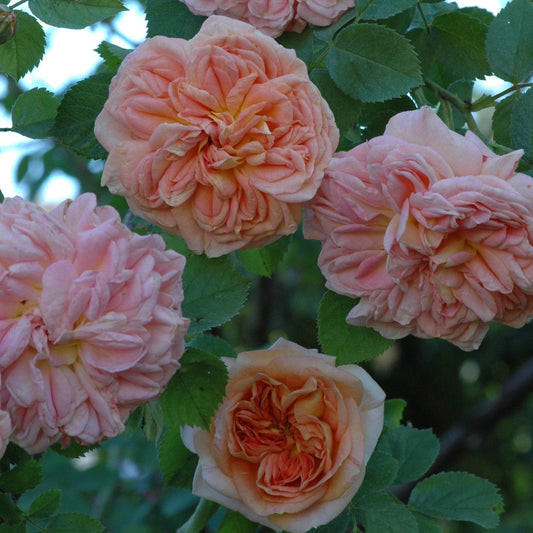
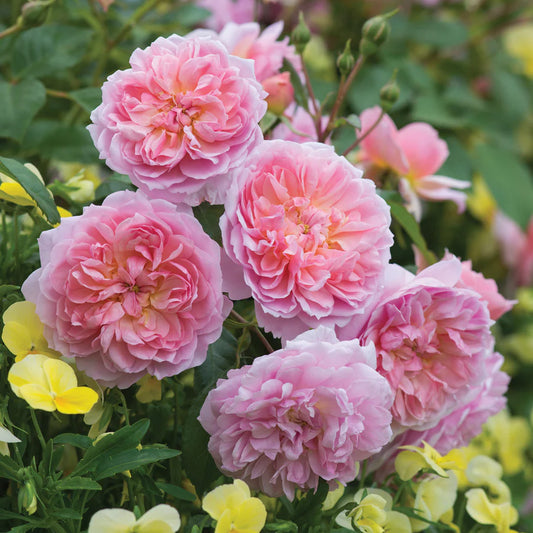
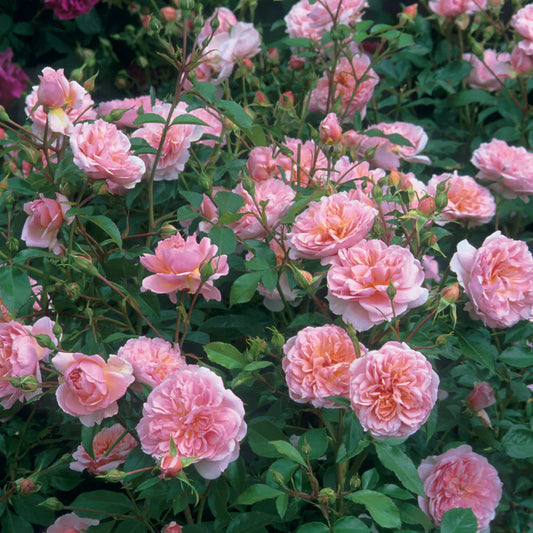
It was David Austin who crossed old rose varieties with modern roses and thus managed to combine the beauty of roses from the past with the good qualities of modern roses. His roses became so popular worldwide that they are called English roses. They are usually large-flowered roses with beautiful colors that have a wonderful scent and that grow into beautiful, full and healthy plants.
Rambler roses are fast growing climbing roses.
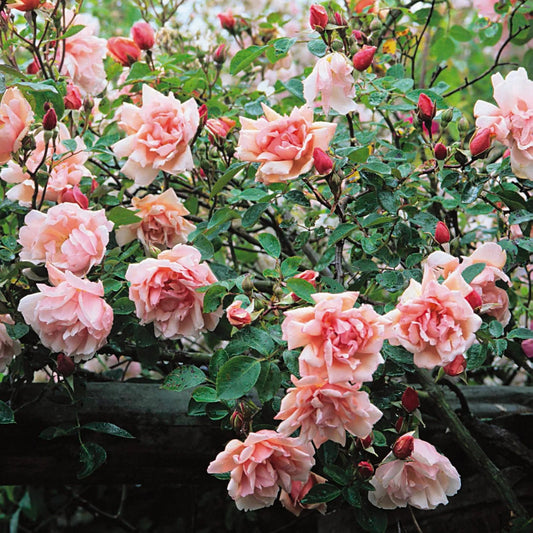
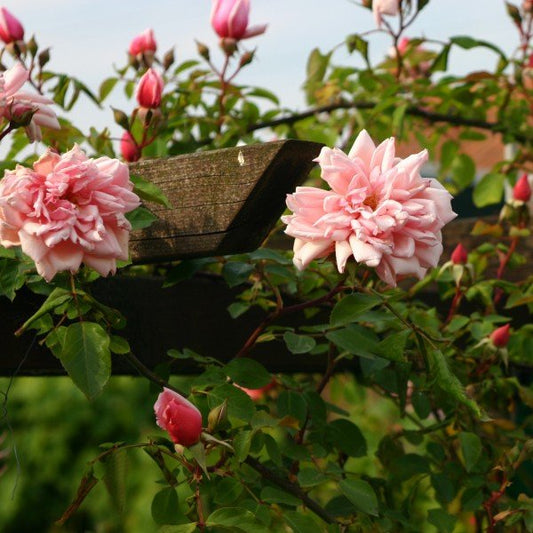
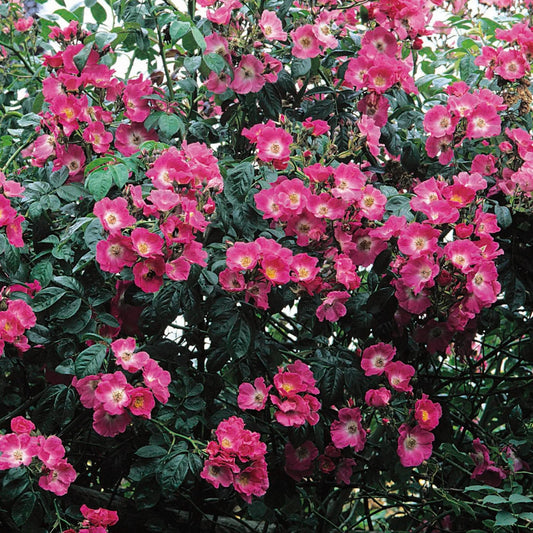
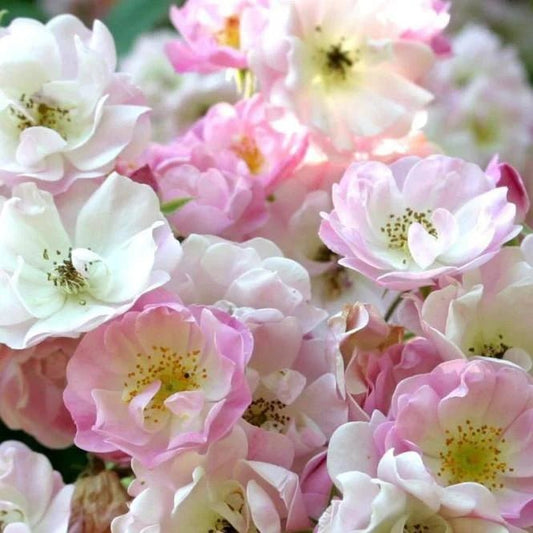
Most have small flowers and bloom once, but intensely. Rambling translates as wandering and that is exactly what these strong roses do. A rambler rose can create a beautiful, wild image against a wall or even in a tree. There are also continuous-flowering and large-flowered ramblers.
Floribunda roses
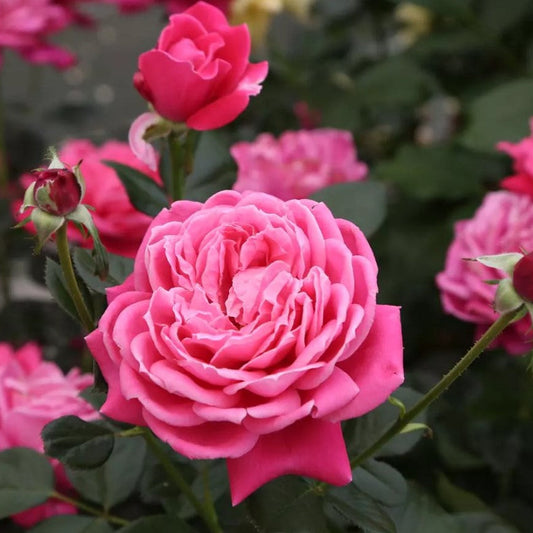
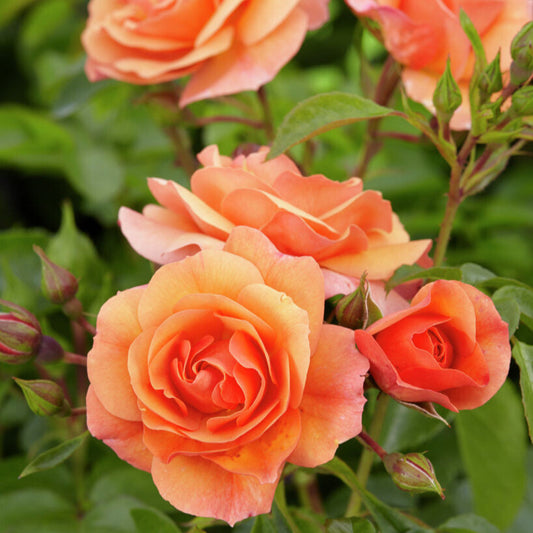
Are modern roses that often develop exuberant flowers in bunches. In general they are strong, healthy roses.
Roses of Belle Epoque
We select special varieties of roses with healthy properties for our collection. Some varieties are very exclusive. Only a few dozen of them are grown annually. Want to learn more about the different varieties, such as Alba, Gallica, Damask, Centifolia, or other special roses? This Wikipedia article will tell you more.https://nl.wikipedia.org/wiki/Rozen)